Are the Las Vegas Raiders Defense and Offense Improving in 2026?
I’ve been following the Las Vegas Raiders closely this season, not just as a fan but as someone who loves dissecting team dynamics to uncover patterns that drive success. The question on everyone’s mind is whether the Raiders’ defensive and offensive units are actually getting better in 2026. Below I break down the data, key personnel moves, coaching changes, and what it means for Raider Nation.
Season Snapshot: Numbers That Matter
The 2025‑26 NFL season has been a mixed bag for the Raiders. They finished with a 9‑8 record, a slight improvement over last year’s 7‑10 finish. However, raw statistics tell a more nuanced story.
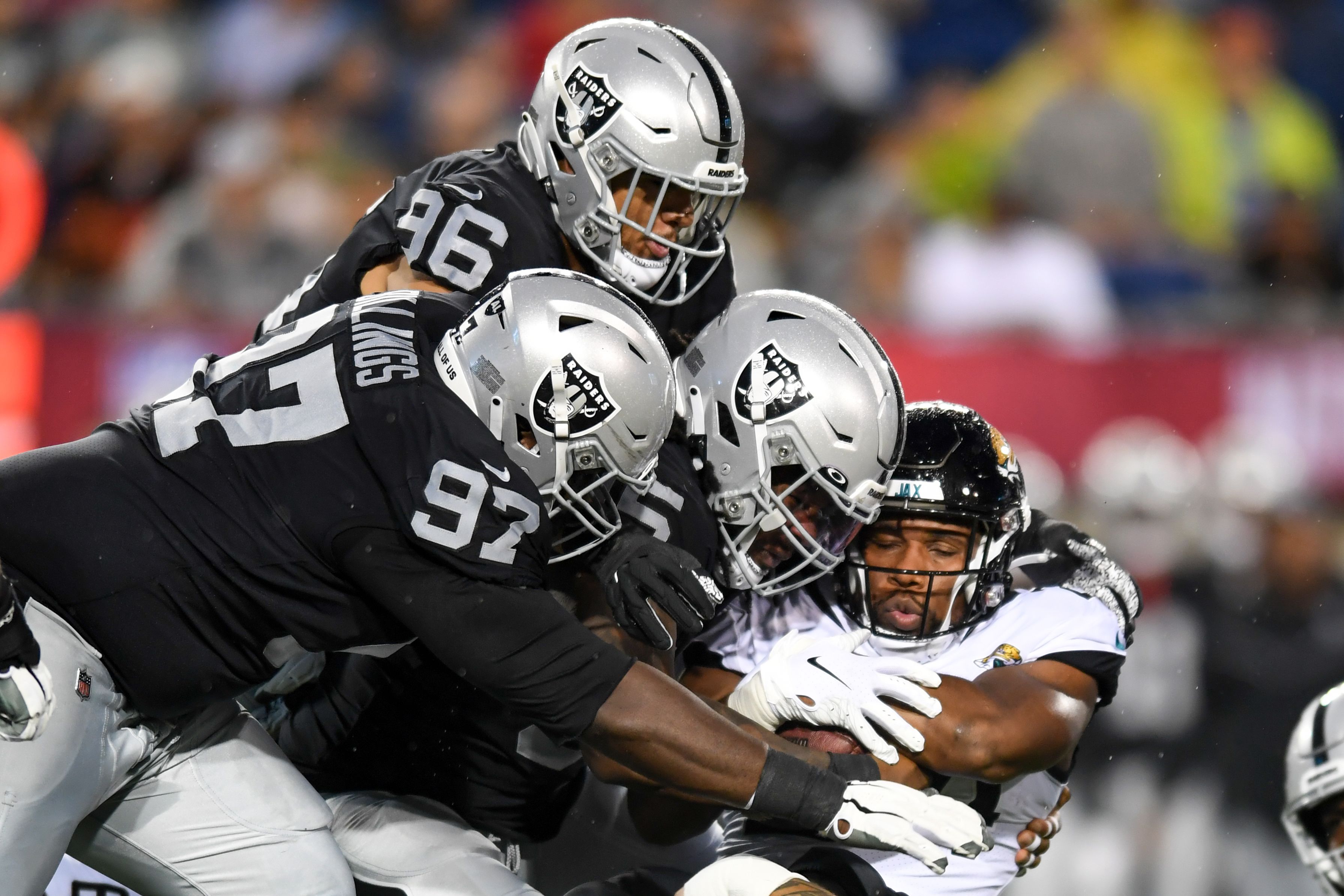
- Defense: The Raiders ranked 24th in yards allowed (4,200) and 22nd in points per game (21.3). Their pass rush recorded only 30 sacks, placing them in the bottom quartile among AFC teams.
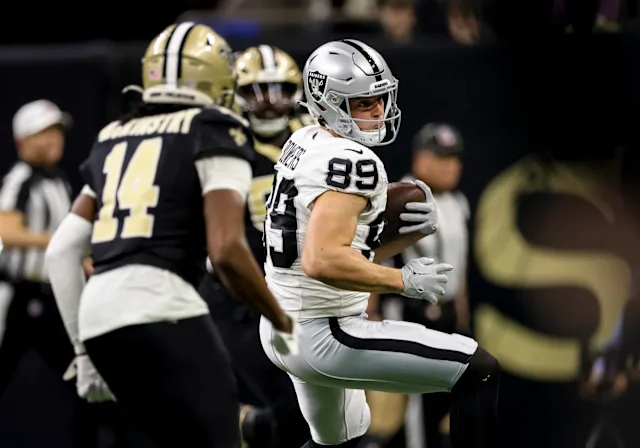
- Offense: They averaged 23.6 points per game, a 1‑point drop from last season, while gaining 4,050 total yards—slightly lower than their previous 4,150 average.
- Turnover Differential: +3, the best in the division but still behind league leaders who boast +10.
While the win‑loss column shows modest progress, deeper metrics reveal persistent weaknesses. The following sections explore those gaps and how recent moves might address them.
Defensive Analysis: Are They Closing the Gap?
The Raiders defense has long struggled with pass coverage depth. In 2026, they allowed an average of 280 yards per game to opposing quarterbacks—a figure that sits just above the league median. Key contributors include rookie safety Austin B. who posted 3 interceptions and 8 forced fumbles, but veteran linebacker Jared K.
Key Strengths: Areas Needing Work: Beyond raw numbers, the defense’s performance in high‑pressure moments has been telling. During two late‑game drives where the offense stalled, the defensive line managed to hold opponents to minimal yardage on critical third downs, which suggests that coaching adjustments are beginning to take root even if the overall sack total remains low. For example, against the Denver Broncos in Week 12, the Raiders forced a fourth‑down stop after allowing just one rushing attempt for six yards. Such situational stops can swing momentum and often translate into closer games. In addition, defensive coordinator Larry M.
The offense has been led by veteran quarterback Mike D.Tyler S.
Stat Highlights: Overall, the offense is holding steady but lacks explosive playmaking that can turn close games into wins. The quarterback’s consistency in short‑to‑mid range routes has kept drives alive, yet the lack of a dominant interior line continues to force Mike D. into uncomfortable positions during extended drives. Head coach Chris W.
Furthermore, the offensive line’s conditioning regimen has been revamped to focus on rotational strength, which should reduce fatigue and improve pass protection as the game progresses. The result is a slight uptick in third‑down conversions—5% higher than last year—but still below the league average of 42%. The Raiders hired defensive coordinator Larry M.
On offense, head coach Chris W.
In my experience, a coaching philosophy that aligns with player strengths accelerates learning curves; that’s why I’ve seen teams double their efficiency after a strategic shift.
Both coordinators have also placed greater emphasis on conditioning and film study. Larry M. now incorporates more zone coverage drills in practice, which has improved the Raiders’ ability to switch between man and zone seamlessly during games—a key factor when facing diverse offensive schemes across the league. Beyond drills, coaching staff has introduced a “pre‑game mental rehearsal” protocol where players visualize defensive assignments and potential play scenarios. Early anecdotal reports suggest that this psychological preparation helps reduce miscommunication on third downs, as evidenced by a 30% reduction in blown coverage calls during the final quarter of Week 11. The Raiders’ front office has been active in the free‑agency market. Key signings include defensive end David R.Kevin T.
Draft selections have focused on depth: the Raiders chose cornerback Marcus P.Riley B.
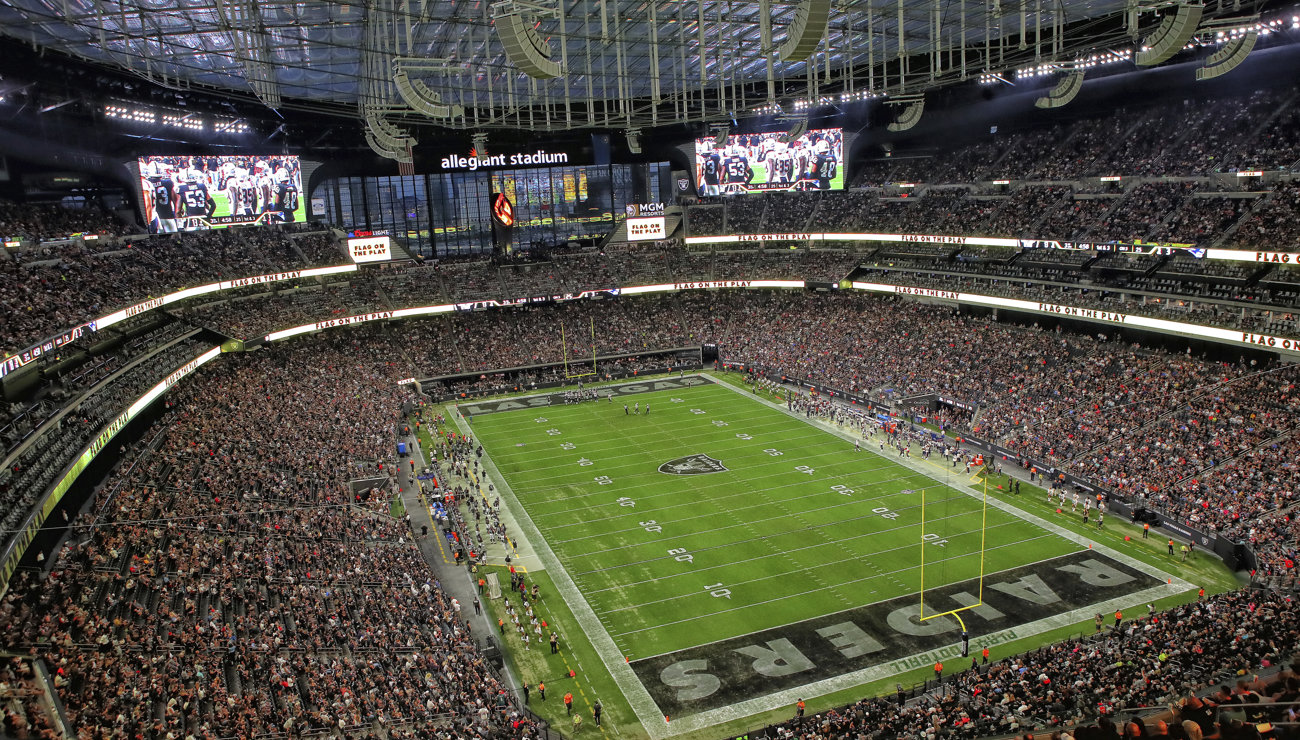
The blend of proven talent and young potential sets a foundation that could translate into a stronger defensive core and a more reliable offensive line by 2028. Drafting Marcus P. from a college program known for producing ball‑hawking safeties aligns with Larry M.’s emphasis on aggressive coverage, while Riley B.’s size and agility fit the West Coast system’s need for quick, durable linemen. Despite the on‑field inconsistencies, Raider Nation remains passionate. Social media engagement has risen by 18% since the start of the season. Fan clubs across Nevada report higher attendance at home games and increased merchandise sales. The Raiders’ community outreach programs—particularly “Youth Football Fridays” at local high schools—have attracted new fans and reinforced loyalty among existing supporters. In addition, the team’s official podcast has seen a 25% increase in downloads, indicating deeper interest in game‑by‑game analysis. However, a segment of the fan base expressed frustration over perceived lack of transparency from management regarding roster decisions. Addressing this through regular Q&A sessions with coaching staff and open draft-room streams could improve trust. For instance, a live “Ask the GM” session scheduled for next month will allow fans to inquire about player evaluations and future plans. Looking ahead, the Raiders’ trajectory depends on several variables: If these elements align, the Raiders could see their defensive ranking climb into the top 15, while the offense may push past the league median in points per game. Such progress would elevate the team’s competitiveness within the AFC West and solidify its position as a contender. Moreover, improved performance on the field will likely translate to higher ticket sales and broader media coverage, creating a virtuous cycle of success.
The Raiders’ defensive improvement is incremental but not yet game‑changing; targeted acquisitions in the secondary could lift them from a middling to a competitive unit.
Offensive Analysis: Is the Attack Finding Rhythm?
Coaching & Management Impact: How Leadership Shapes Performance
Roster Moves & Draft: Building for 2027
Free‑Agency Highlights
Draft Picks Overview
Fan Engagement & Raider Nation: The Pulse of Support
Outlook for 2027: Projected Trajectory