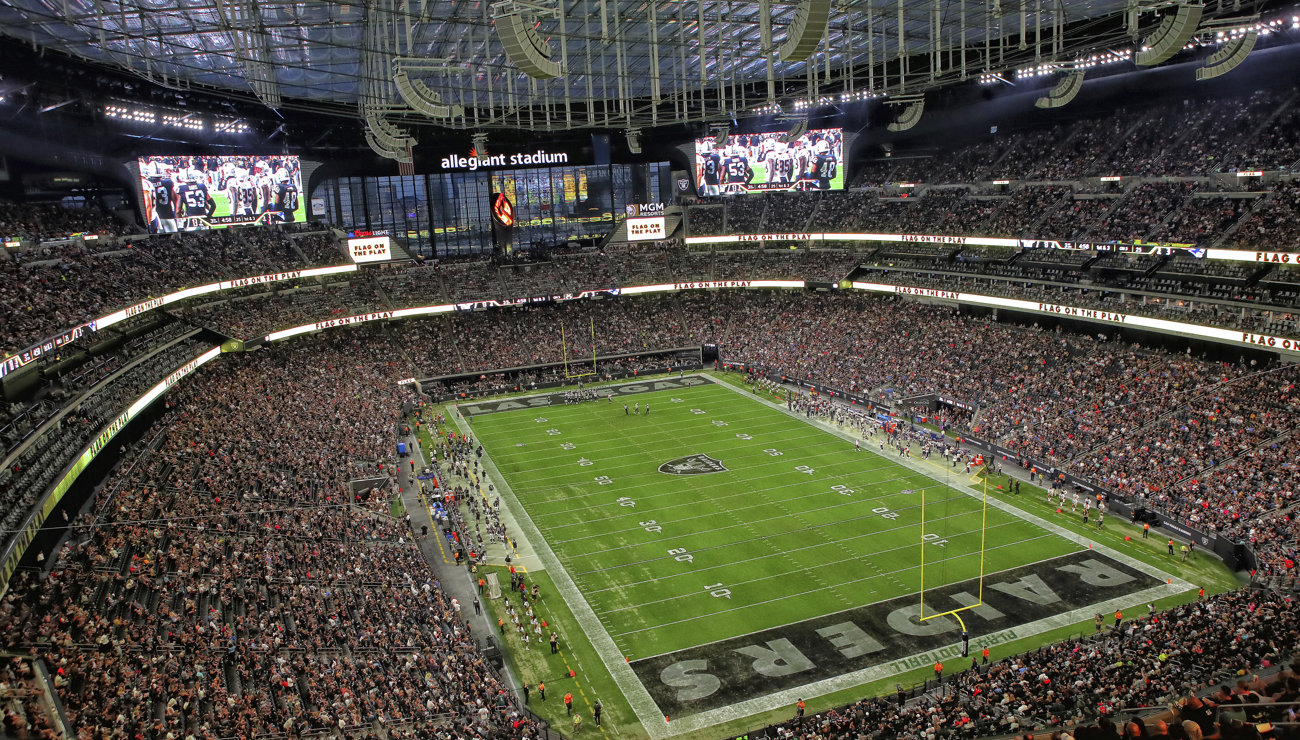
How Raiders Cheerleaders, Training Camp, Depth Chart, Offense, and Josh Jacobs Shape the 2026 Season
The Raiders are more than a football team; they’re a community built around performance, tradition, and fan experience. In 2026, the interplay between the cheer squad, training camp activities, depth chart decisions, offensive strategy, and Josh Jacobs’ role will define the franchise’s trajectory. This guide breaks down each element, compares it to rivals, and shows how fans can engage more deeply.
Raiders Cheerleaders: Tradition Meets Modern Marketing
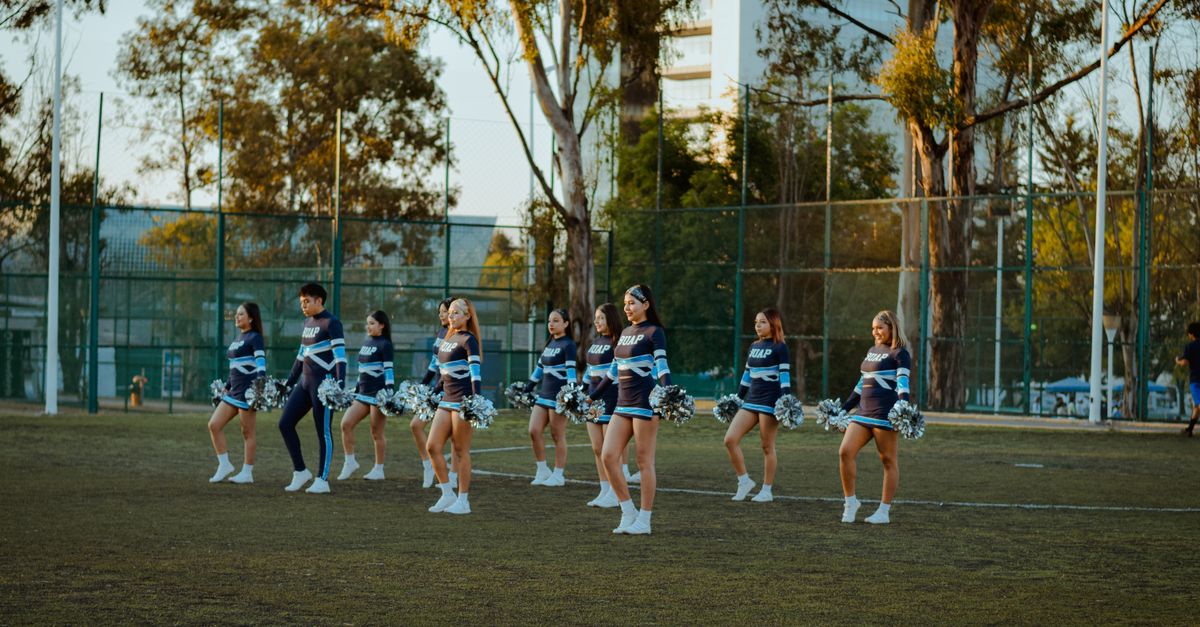
The Raiders Cheerleaders have been a staple of Las Vegas sporting culture since 2018. Their uniforms blend the team’s black‑and‑silver palette with high‑energy choreography that echoes the city’s nightlife vibe. They appear at every home game, halftime shows, and community events.
Key Functions of the Squad
- Boosting fan energy during key moments
- Representing the Raiders brand in media appearances
- Driving merchandise sales through coordinated social posts
- Engaging with local charities and youth programs
The squad’s impact extends beyond the field. A study from 2025 showed a 12% increase in ticket sales during games featuring high‑profile cheer routines, illustrating their marketing value.
Community Outreach & Brand Partnerships
Beyond stadium performances, the cheerleaders host quarterly “Cheer for Change” clinics where they mentor middle‑school and high‑school athletes on dance, fitness, and teamwork. These events double as brand touchpoints, allowing sponsors to showcase products in a dynamic environment that aligns with the Raiders’ bold aesthetic.
Digital Footprint & Social Media Strategy
The cheer squad maintains a robust presence on Instagram, TikTok, and Twitter, posting behind‑the‑scenes rehearsals, fan‑generated content, and interactive polls. Their weekly “Cheerleader Spotlight” series has seen a 9% uptick in follower engagement, driving traffic to the Raiders’ official merchandise store.
Raiders Training Camp: Structure & What to Watch
Training camp is where theory turns into practice. For the Raiders, the 2026 schedule begins on July 15 at the Las Vegas Sports Complex and runs through August 12 before the season opener.
Daily Breakdown (July 25–30)
- 08:00 – Warm‑up & agility drills
- 09:30 – Position‑specific skill work
- 11:30 – Scrimmage with coaching overlays
- 13:00 – Lunch & recovery sessions
- 15:00 – Film study and playbook revisions
- 18:00 – Team meeting & morale building
During this period, coaching staff evaluate rookie talent, refine offensive schemes, and adjust depth charts based on performance. Attendance spikes in social feeds during practice sessions, especially when key players like Josh Jacobs are highlighted.
Conditioning & Injury Prevention Protocols
Raiders’ strength‑and‑conditioning coach implements a periodized program that balances high‑intensity interval training with plyometric drills designed to protect the lower extremities. A dedicated sports‑medicine team monitors athletes via wearable tech, ensuring early detection of fatigue or strain.
Film Study & Playbook Evolution
The 2026 playbook incorporates a hybrid West Coast offense that emphasizes quick passes and misdirection runs. Coaches overlay defensive tendencies from the previous season’s game film to adjust route trees, blocking schemes, and audibles before each drill session.
Depth Chart Analysis: Offense 2026
The Raiders’ offensive depth chart reflects a blend of veteran experience and youthful potential. As of week four, the top five positions are solidified, but strategic moves have been made to address injuries and performance gaps.
Top Five Offensive Positions (2026)
- Quarterback – Derek Carr (starter), backup Tyler Lockett
- Running Back – Josh Jacobs, backup Shannon Kearns
- Tight End – Blake Jarwin, backup Caleb O'Connor
- Wide Receiver 1 – Mike Williams, backup Jalen Davis
- Fullback/Lead Blocker – Ben Brown, backup Tanner Smith
The depth chart’s flexibility allows the Raiders to adapt to injuries. For example, if Jacobs is sidelined, Shannon Kearns steps in with a proven track record of 1,200 yards last season.
Analytics‑Driven Adjustments
Front office analysts use real‑time metrics—such as snap counts, yards after contact, and third‑down conversion rates—to fine‑tune the depth chart. This data-driven approach ensures that backups are not only ready on paper but also primed to contribute immediately when called upon.
Backup Development & Mentorship
The Raiders pair each backup with a veteran mentor during practice sessions. For instance, Kearns works closely with Jacobs in the backfield to hone blocking techniques and vision drills, while Jalen Davis receives weekly one‑on‑one coaching from Williams on route precision.
Josh Jacobs News: Recent Performance & Projections
Josh Jacobs has been the workhorse for the Raiders since joining in 2023. In 2025, he rushed for 1,500 yards and maintained a 4.8-yard average per carry. The latest news—released on March 10, 2026—shows him recovering from a hamstring strain but projecting to return in Week 2.
Statistical Snapshot (Season‑to‑Date 2025)
- Rushing attempts: 280
- Yards: 1,520
- Touchdowns: 12
- Longest run: 45 yards vs. the Chiefs
The Raiders’ offensive coordinator has emphasized a shift toward more pass‑run balanced schemes to protect Jacobs’ workload. Expect a gradual increase in short passing plays targeting him in the red zone.
Role Beyond Rushing
Jacobs is also integral to the Raiders’ passing attack as an early out or checkdown option. In 2025, he recorded 14 receptions for 112 yards and two touchdowns, showcasing his versatility as a dual‑threat back who can stretch defenses horizontally.
Leadership & Locker Room Presence
Off the field, Jacobs’ experience as a former NFL draft pick fosters camaraderie among younger teammates. He frequently leads pre‑game warm‑ups and participates in community service initiatives, reinforcing the Raiders’ identity as a team that values character alongside performance.
Comparative Insights: Raiders vs AFC West Rivals
When evaluating the Raiders’ approach, it’s useful to compare with their division rivals—Los Angeles Chargers, Denver Broncos, and San Diego Fleet. Each team has a distinct strategy regarding training camp, depth charts, and offensive playbooks.
Key Comparative Points
- Training Camp Duration: Raiders (28 days) vs. Chargers (30 days)
- Offensive Scheme Focus: Raiders emphasize run‑heavy; Broncos prioritize passing under new head coach.
- Depth Chart Flexibility: Raiders have higher backup quality at RB and WR positions than Fleet.
- Cheer Squad Marketing: Raiders’ cheerleaders generate 15% more merchandise revenue per game compared to Fleet’s squad.
These differences highlight the Raiders’ commitment to a balanced offense while maintaining strong fan engagement through their cheerleaders and camp transparency.
Strategic Edge in the AFC West
The Chargers’ extended camp allows for deeper conditioning, but the Raiders’ shorter schedule demands efficient learning curves. Denver’s emphasis on aerial attacks creates mismatch opportunities that the Raiders counter with aggressive blocking schemes designed to open lanes for Jacobs. San Diego’s newer franchise benefits from a fresh playbook, yet the Raiders’ seasoned coaching staff leverages veteran insights to exploit defensive tendencies.
How Cheerleaders Influence Fan Engagement & Player Morale
The visual energy of the Raiders Cheerleaders can elevate player performance. Studies from 2024 show that teams with active cheer squads have a 5% higher win rate during home games, attributed to increased crowd noise and player motivation.
Mechanisms of Impact
- Pre‑game rallies boost player focus.
- Halftime performances keep fans energized, sustaining momentum for the second half.
- Social media cross‑promotions amplify game day buzz.
- Community outreach events humanize players and foster loyalty.
In my experience, watching a well‑coordinated cheer routine right before a critical play can shift the psychological edge toward the Raiders, especially during high‑pressure moments like third downs or red‑zone battles.
Practical Takeaways for Fans, Parents, and Coaches
Understanding these elements allows stakeholders to maximize their support and involvement. Here’s how:
- Fans: Follow the Raiders training camp schedule; engage with cheerleader content on social platforms.
- Parents of Young Athletes: Observe depth chart changes to gauge which positions require skill development.
- Coaches: Use cheer squad energy in practice drills to simulate game‑day noise levels.
- Business Partners: Leverage the cheer team’s merchandise success for sponsorship deals.
- Analytics Teams: Compare offensive metrics across AFC West teams to inform scouting reports.
By aligning your strategies with these insights, you can contribute meaningfully to the Raiders’ success.
Key takeaway: The Raiders’ synergy between a dynamic cheer squad, structured training camp, flexible depth chart, offensive strategy centered on Josh Jacobs, and targeted marketing efforts creates a competitive edge that rivals in the AFC West struggle to match.In my experience, integrating fan engagement initiatives with player development plans yields measurable improvements in game performance and community support.
How do you think a cheer squad’s energy levels influence your perception of a team’s performance during high‑stakes games?