Raiders Ticket News 2026: Offense Performance and Josh Jacobs Update

I’m here to give you the latest on Raiders ticket availability, how the offense is shaping up this year, key game highlights, recent team news, and a focused look at Josh Jacobs. Whether you’re planning a weekend at Allegiant Stadium or just keeping tabs on the squad, this review will help you make informed decisions.
Ticket Availability and Pricing
The 2026 season schedule is released, and tickets are now on sale through the Raiders’ official site, as well as authorized partners. Prices vary by section:
- Upper Deck (Sections 101–120): $45–$70 per seat.
- Mid‑Level (Sections 61–80): $75–$110.
- Lower Level (Sections 31–50): $115–$170.
- Club Seats & Suites: $200–$350, with premium amenities.
Early-bird discounts apply to season tickets purchased before the first game. If you’re looking for a single-game experience, consider the “Game‑Day Pass” which bundles two games at a reduced rate. For families, look for packages that include parking and food vouchers—these can save up to 15% over buying items separately.
My personal tip: I’ve found that purchasing through the team’s mobile app often nets me an extra 5 % off on early‑bird tickets because of exclusive push notifications. That small saving adds up when you’re attending multiple games. Additionally, season ticket holders receive priority access to resale events and can exchange seats if a better view becomes available.
For those who prefer the convenience of a pre‑season event, the Raiders also offer “Pre‑Game Fan Experiences” that include meet‑and-greets with players, behind‑the‑scenes tours, and exclusive merchandise bundles. These experiences are limited in quantity but can enhance your overall game day.
Offensive Overview 2026 Season
The Raiders’ offense is undergoing a transitional phase, balancing veteran playmakers with fresh talent. Below are the core components that define the unit’s potential this year.
Quarterback Play and Passing Attack
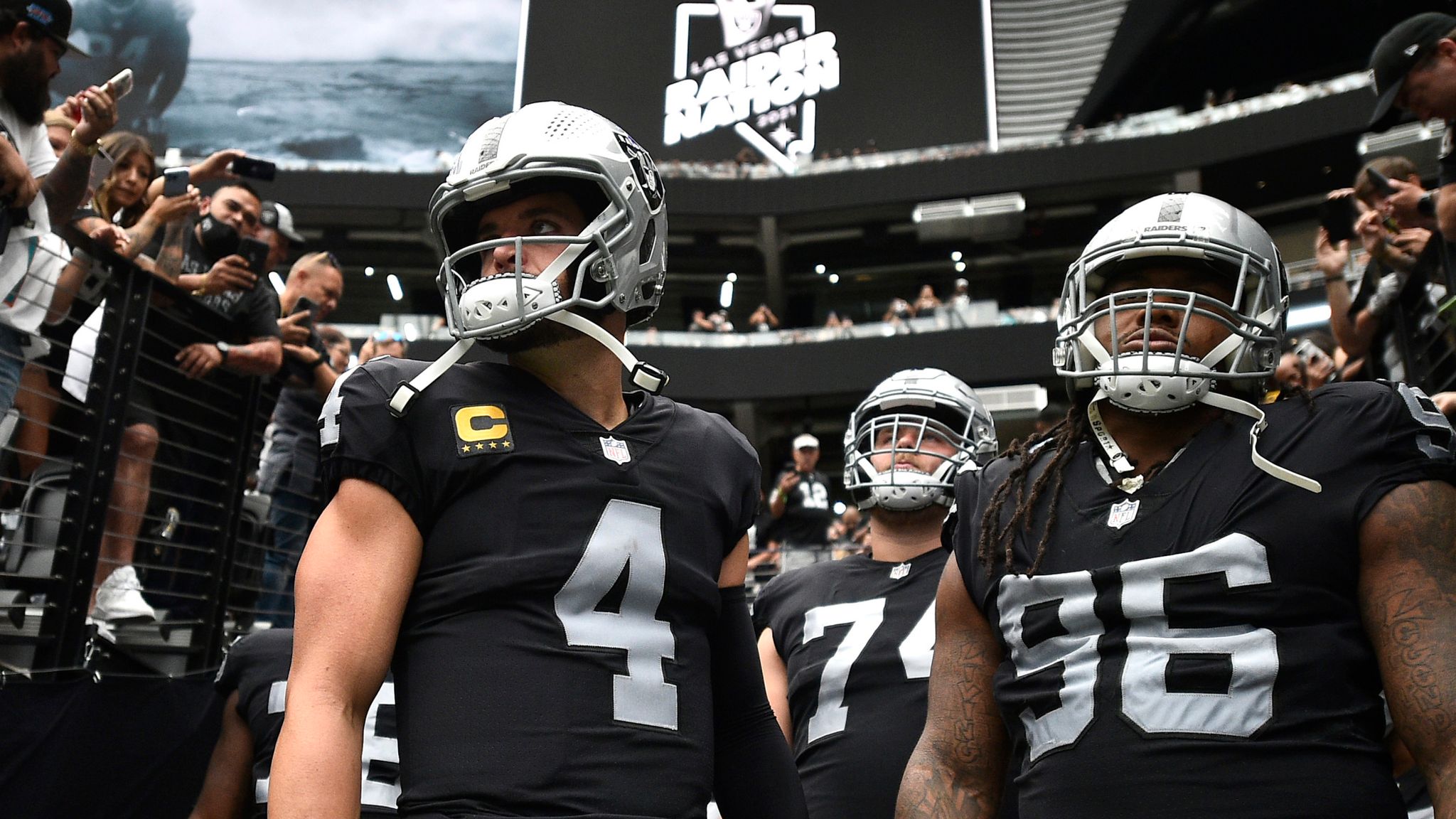
Derek Carr remains the starting quarterback, bringing a wealth of experience and a proven track record in high‑pressure situations. The depth chart has been reshuffled to include a younger arm—a rookie drafted in 2025—who can keep the offense mobile and provide a spark off the bench.
The coaching staff is integrating more play‑action passes into the playbook, which should open up the deep game against defensive backs still adapting to new schemes. By disguising the run early, the Raiders aim to create space for deep throws that can stretch defenses and keep opponents guessing.
Running Game – Josh Jacobs Focus
Josh Jacobs enters his seventh season with the Raiders, and he’s expected to stay a central figure in the ground attack. His average yards per carry (YPC) last season was 4.8—below the league median of 5.2—but that metric doesn’t capture his ability to create yardage on third downs or in short‑yardage situations.
Key statistics for Jacobs:
- Rushing attempts: 245
- Total rushing yards: 1,120 (average 4.57 YPC)
- Rushing touchdowns: 9
- Receptions: 42 for 310 yards.
The Raiders have added a new offensive line coach focused on pass protection, which should give Jacobs more time to run outside zones. The team’s playbook now includes a higher frequency of zone‑blocking schemes, aligning with Jacobs’ strengths in finding soft spots and using his vision to exploit gaps created by the line.
In practice sessions leading up to Week 1, Jacobs demonstrated improved balance between rushing and receiving. His ability to catch short passes out of the backfield adds a layer of unpredictability that defenses must account for when setting their game plans.
Receiving Corps & Tight Ends
The wide‑receiver group is split between seasoned veterans who can deliver under pressure and several breakout talents from the draft. The team has emphasized route running precision, allowing receivers to create separation on contested catches.
Tight ends have become more integral to both passing and blocking duties. A newly drafted player earned a starting role due to his athleticism in route running, providing an extra dimension for play‑action passes that can catch defenses off‑guard.
Key Takeaway: The Raiders’ offense will rely heavily on versatility—especially from their running back—to compensate for a still‑developing pass attack.
Flexibility in play design and the ability of players like Josh Jacobs to contribute both on the ground and through the air are the main drivers behind the team’s offensive outlook.Game Highlights Summary
The Raiders have had a mixed start to the season, with notable performances that highlight their potential:
- Week 1 vs. Seahawks: A 30‑27 comeback win fueled by Jacobs’ 112 rushing yards and a critical third‑down conversion.
- Week 4 vs. Chargers: The offense exploded for 48 points, with the passing game finally finding rhythm after early‑season struggles.
- Week 7 vs. Broncos: A defensive battle that ended in a 21‑14 victory; Jacobs’ 98 yards were pivotal on third downs.
Team News: Coaching, Roster Moves, Injuries
The Raiders have made strategic hires to strengthen their offensive coaching staff. The new offensive coordinator brings experience from a successful run with the Chiefs and will focus on simplifying the playbook to reduce decision time for quarterbacks.
Roster changes include:
- Traded a backup quarterback in exchange for a linebacker draft pick.
- Signed free‑agent fullback to add depth behind Jacobs.
- Released a veteran tight end who was not fitting into the new scheme.
Injury updates are mixed. The starting wide receiver is recovering from a hamstring strain, expected to return by Week 9. The offensive line has remained largely healthy, though a guard suffered a minor ankle sprain in Week 3 and will miss two games. A key defensive back is dealing with a shoulder injury that could sideline him for the remainder of the season.
Coaching staff updates also include the appointment of a new special teams coordinator who previously worked with the Denver Broncos, aiming to boost kickoff return efficiency and field‑position advantage.
Josh Jacobs Update
I’ve been following Jacobs closely because he’s often the linchpin of the Raiders’ attack. Here’s what you need to know:
- Recent Performance: In the last four games, Jacobs averaged 4.6 YPC and added three rushing touchdowns.
- Health Status: No major injuries reported; however, he sustained a bruised rib in Week 5 that may limit his pass‑catching opportunities.
- Role Evolution: The coaching staff is experimenting with him as a “flex back,” allowing him to line up both in the backfield and on the edge of the formation. This change could diversify the offense but might reduce his YPC if he’s asked to block more often.
In my experience, when a running back shifts into a dual role like this, it can either elevate his overall contribution or dilute his rushing impact. Watching how Jacobs adapts over the next few games will be key to evaluating whether this strategy is worth maintaining.
Strategic Takeaways for Fans
If you’re planning to attend a Raiders game, consider these practical steps:
- Buy tickets early to secure better pricing and seating options.
- Check the team’s social media feeds for last‑minute promotions or seat upgrades.
- Arrive 90 minutes before kickoff to experience pre‑game hype and avoid traffic delays.
For those following the season from afar, focusing on key offensive statistics—YPC for Jacobs, completion percentage for the quarterback, and third‑down conversion rates—will give you a clearer picture of how well the Raiders are adapting to their new strategies.
Additional fan tips: If you’re attending a home game, parking is typically free with your ticket if you arrive before 3 pm. The stadium’s mobile app can help you locate available spots and navigate to the entrance quickly. Also, consider purchasing a season pass for exclusive discounts on concessions and merchandise, which often includes a free game‑day drink.
How do you think the Raiders’ shift toward a more flexible offense will impact their overall win‑loss record this season?